JANE’S WALK 2026
May 1–3, 2026
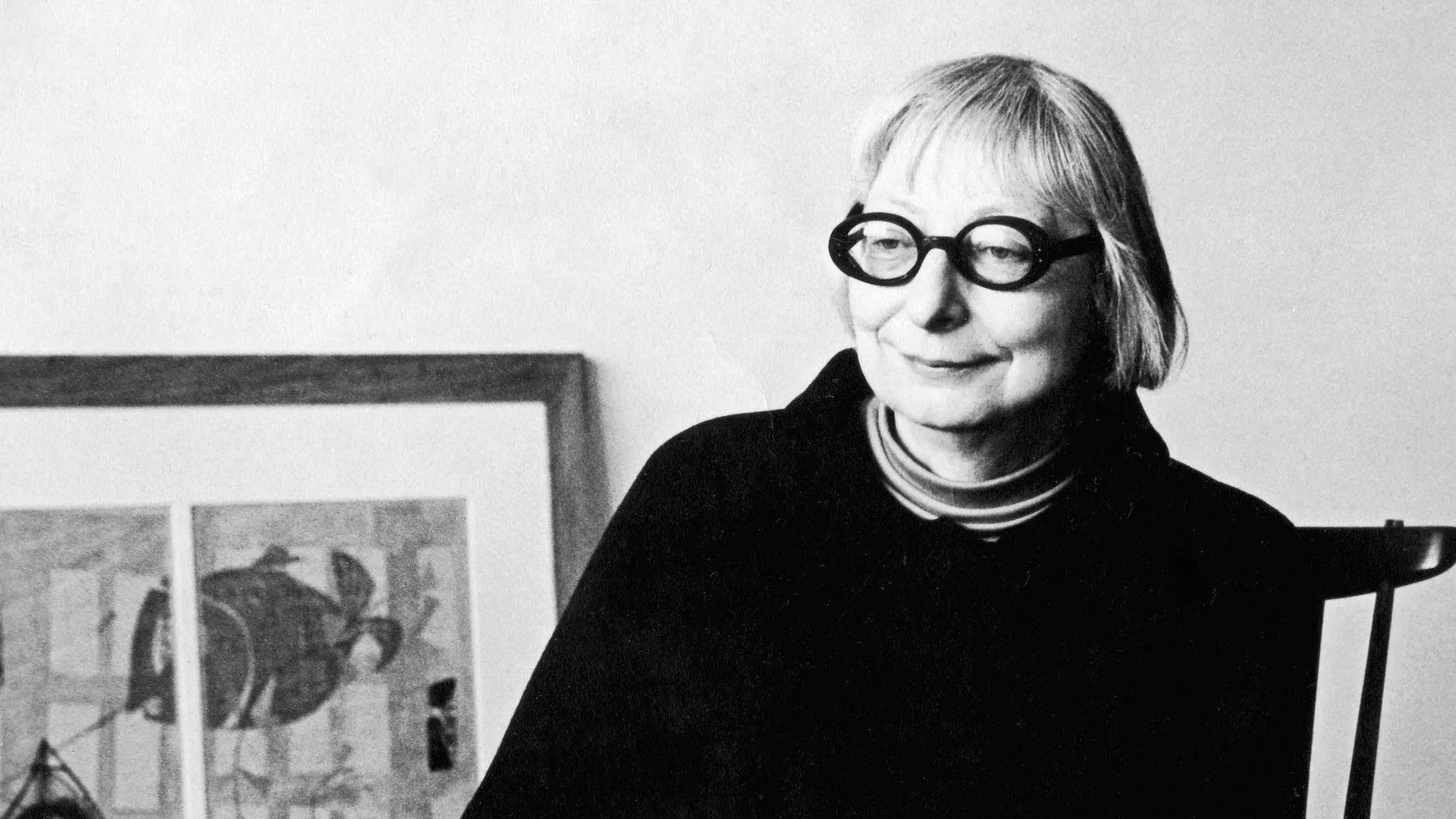
Jane’s Walk is an annual global festival honoring the legacy of urbanist, activist, and writer Jane Jacobs with free, citizen-led walking tours through the neighborhoods that lend so much character to our cities.
The festival promotes civic engagement and encourages leaders and participants to share stories about their communities and use walking as a means of connecting with their neighbors.
Interested in joining a walk? Scroll down to view them all!
Have any questions? Contact Felicia E. Gail, Public Programming & Membership Manager at felicia@museumofdesign.org.
MODA Jane’s Walks 2026
Spaces for these walks fill up every year. Please register in advance to secure your spot!
In-person | FREE
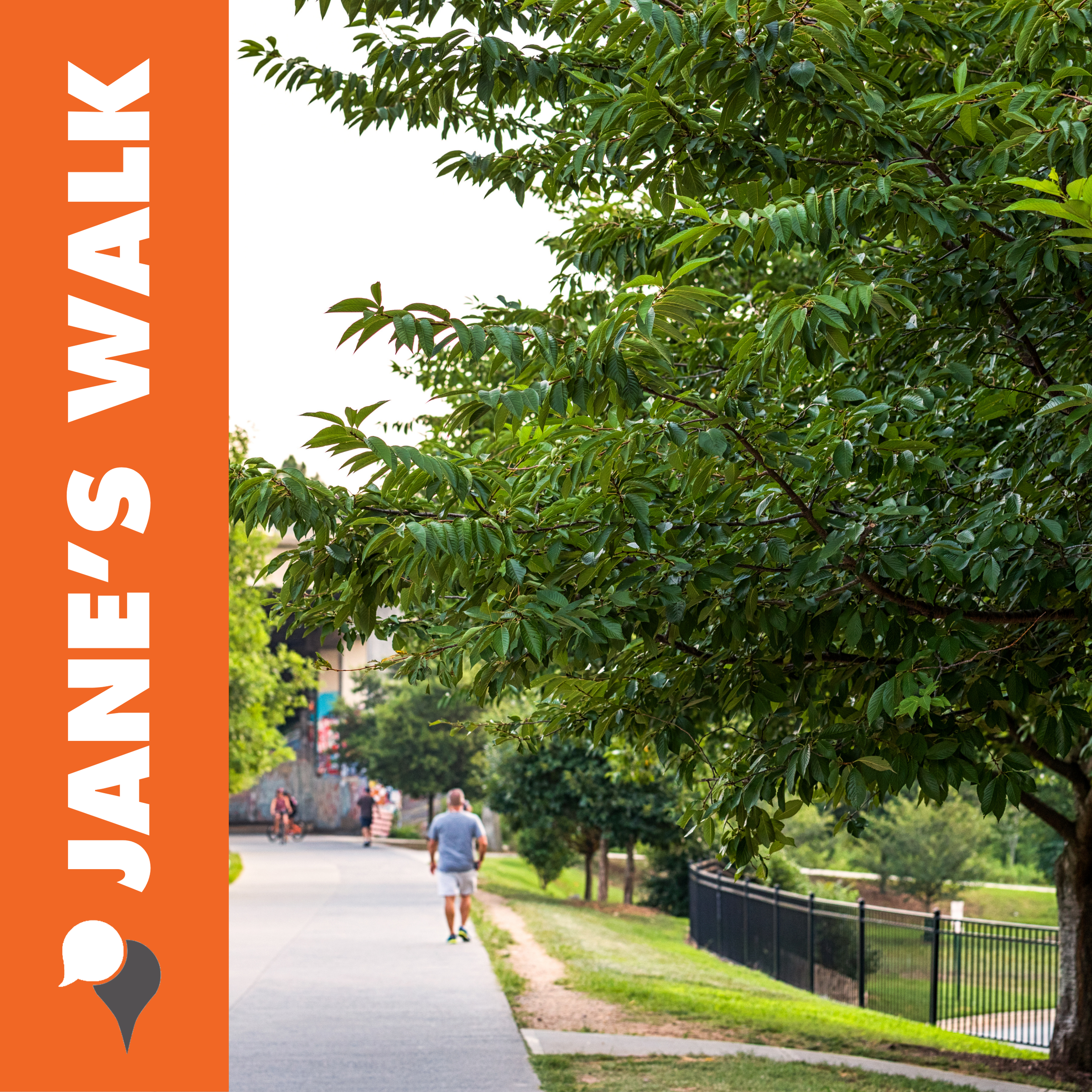
What's living in the city right alongside you?
This Jane’s Walk, taking place in South Downtown, focuses on themes of Environment and History & Culture.
In-person | FREE
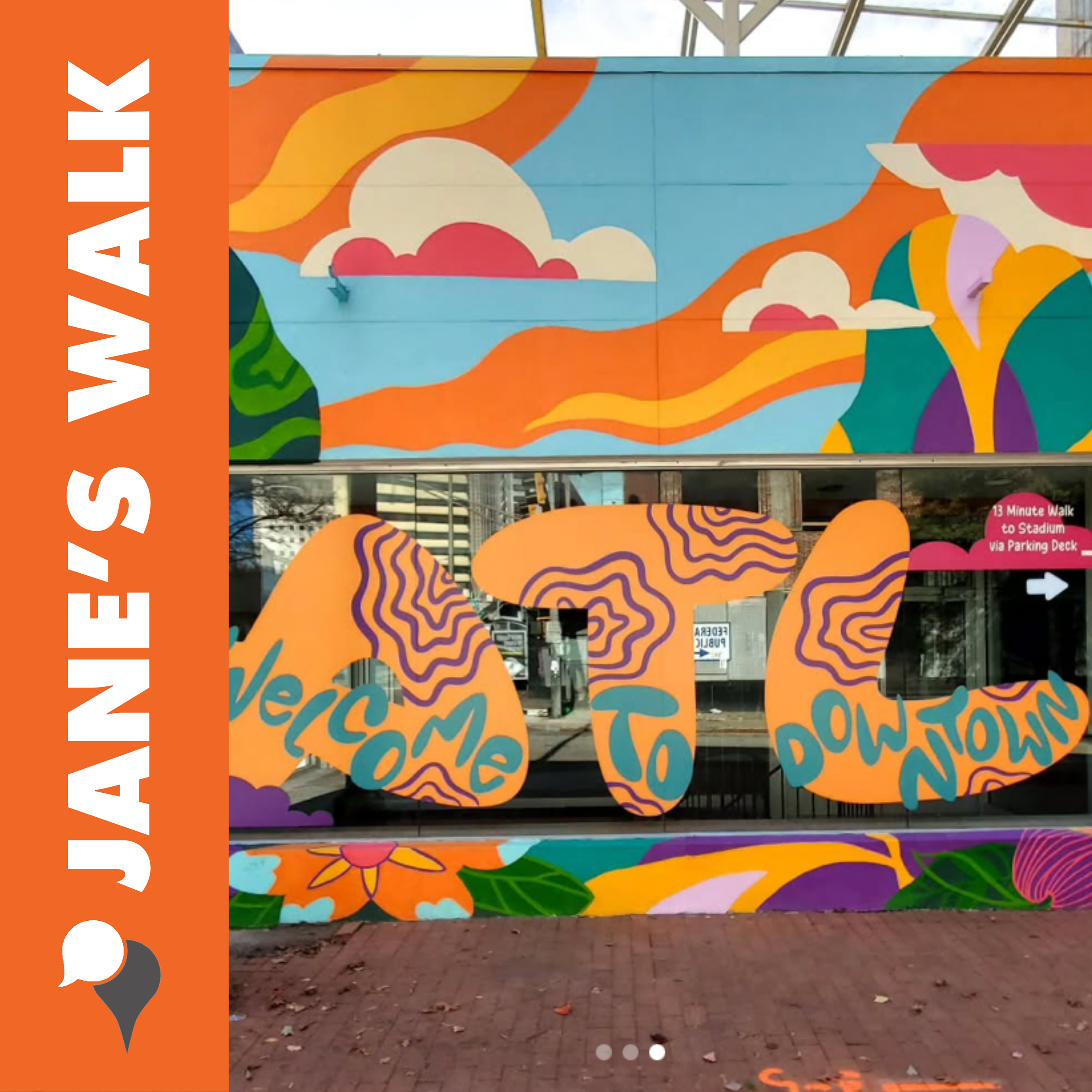
Interested in discovering how design tells the story of Atlanta’s rich history?
This Jane’s Walk, taking place in Downtown Atlanta, focuses on themes of Art & Architecture, Environment, History & Culture.
In-person | FREE
What does "modern" look like when it's almost 90 years old?
This Jane’s Walk, taking place in Downtown Decatur, focuses on themes of Art & Architecture and History & Culture.
In-person | FREE
What makes public art stick?
This Jane’s Walk, taking place in Cabbagetown, focuses on themes of Art & Architecture, History & Culture.
In-person | FREE
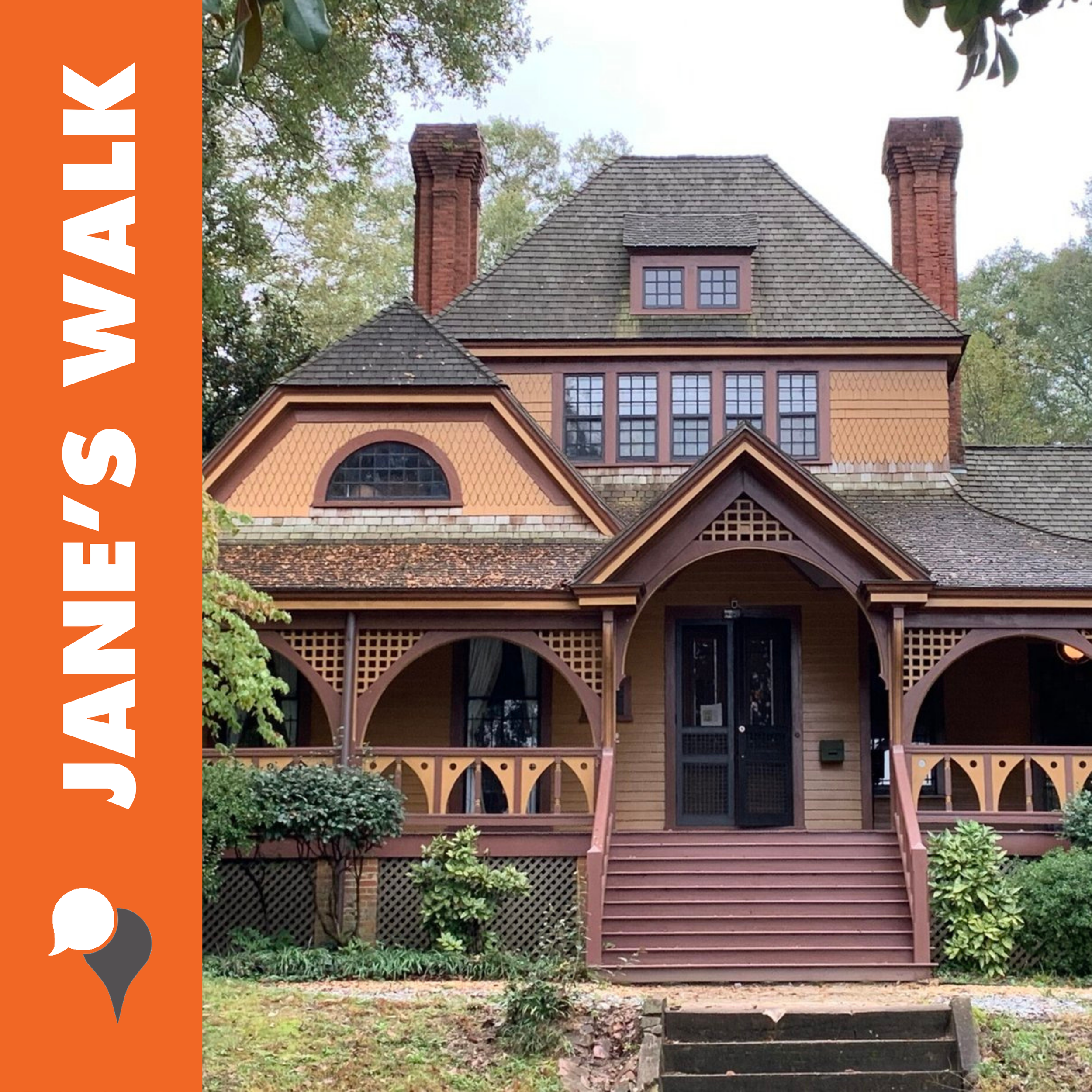
What does a neighborhood look like when writers call it home?
This Jane’s Walk, taking place in the West End, focuses on themes of History & Culture.
In-person | FREE
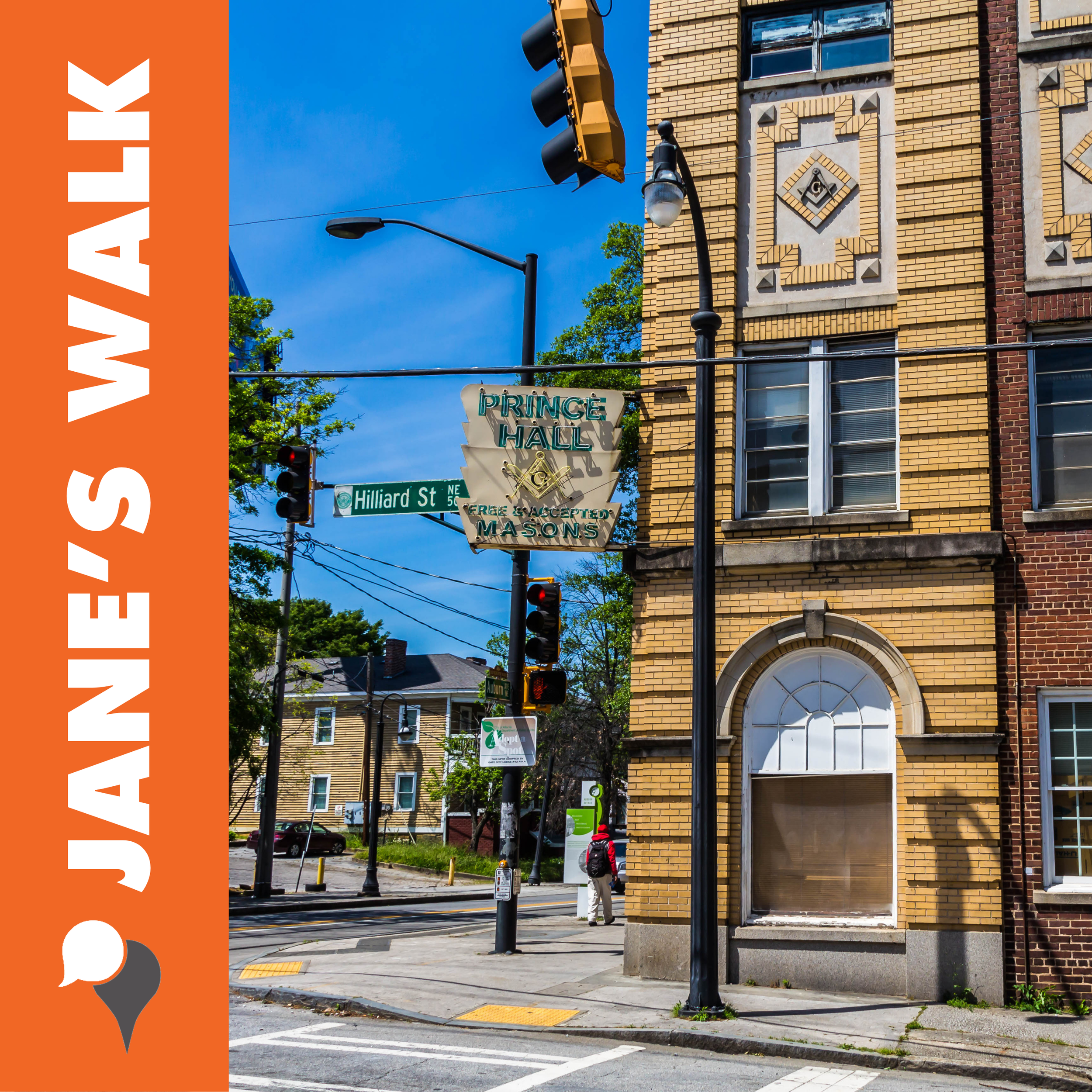
Interested in discovering how design tells the story of Atlanta’s rich history through typeface?
This Jane’s Walk, taking place in Sweet Auburn Historic District, focuses on themes of Art & Architecture, History & Culture.
In-person | FREE
What if a walk could be an epic journey?
This Jane’s Walk, taking place on the Eastside Beltline, focuses on themes of literature, urban life, and urban development.
In-person | FREE
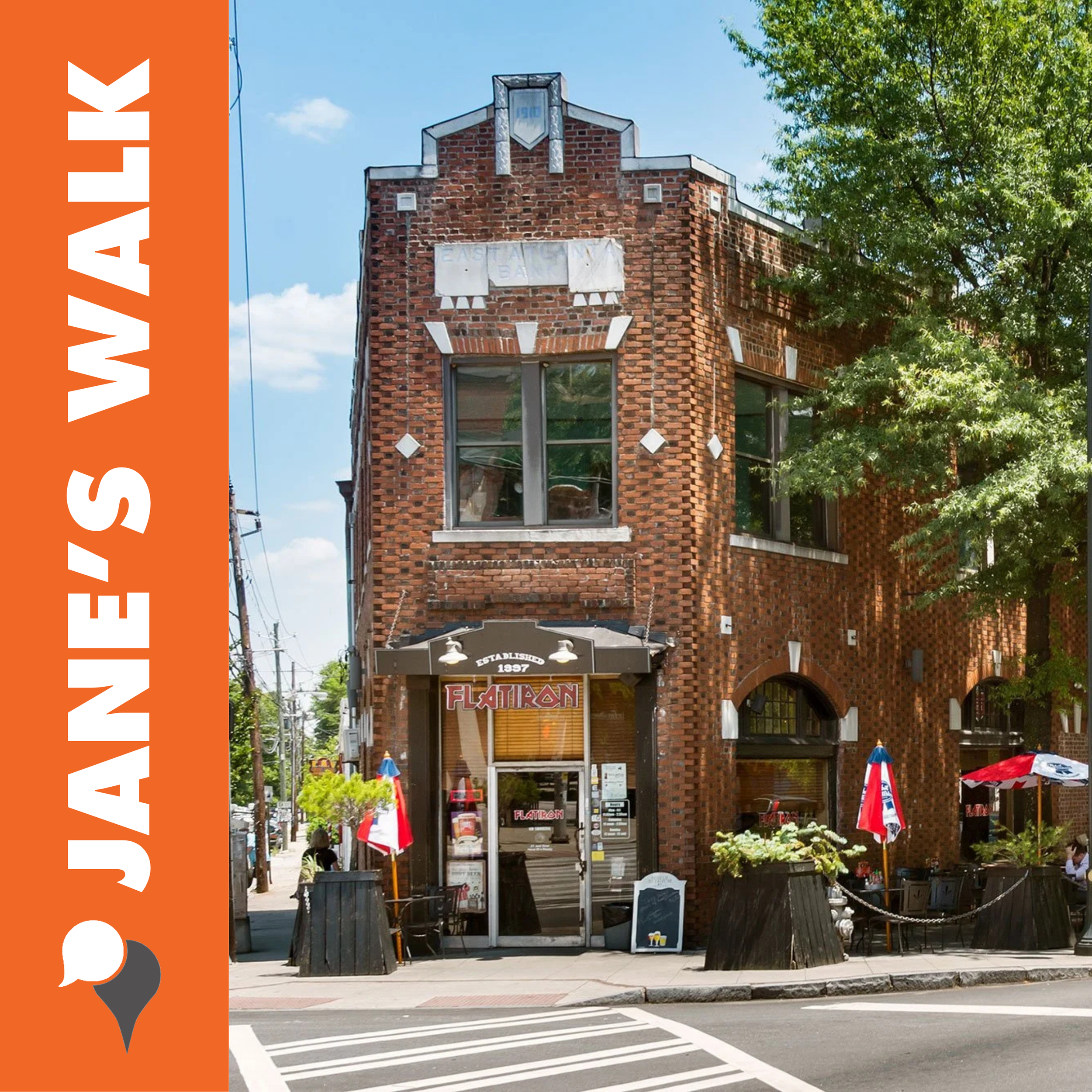
How much history can one neighborhood hold?
This Jane’s Walk, taking place in East Atlanta Village, focuses on themes of Art & Architecture, Food & Entertainment, and History & Culture.
In-person | FREE
What does a neighborhood look like when it's been cut in half by a highway?
This Jane’s Walk, taking place in Sweet Auburn, focuses on themes of Advocacy, History & Culture, and Art & Architecture.
In-person | FREE
Have you ever heard of Atlanta's smallest neighborhood?
This Jane’s Walk, taking place in Just Us and Ashview Heights, focuses on themes of History & Culture and Art & Architecture.
In-person | FREE
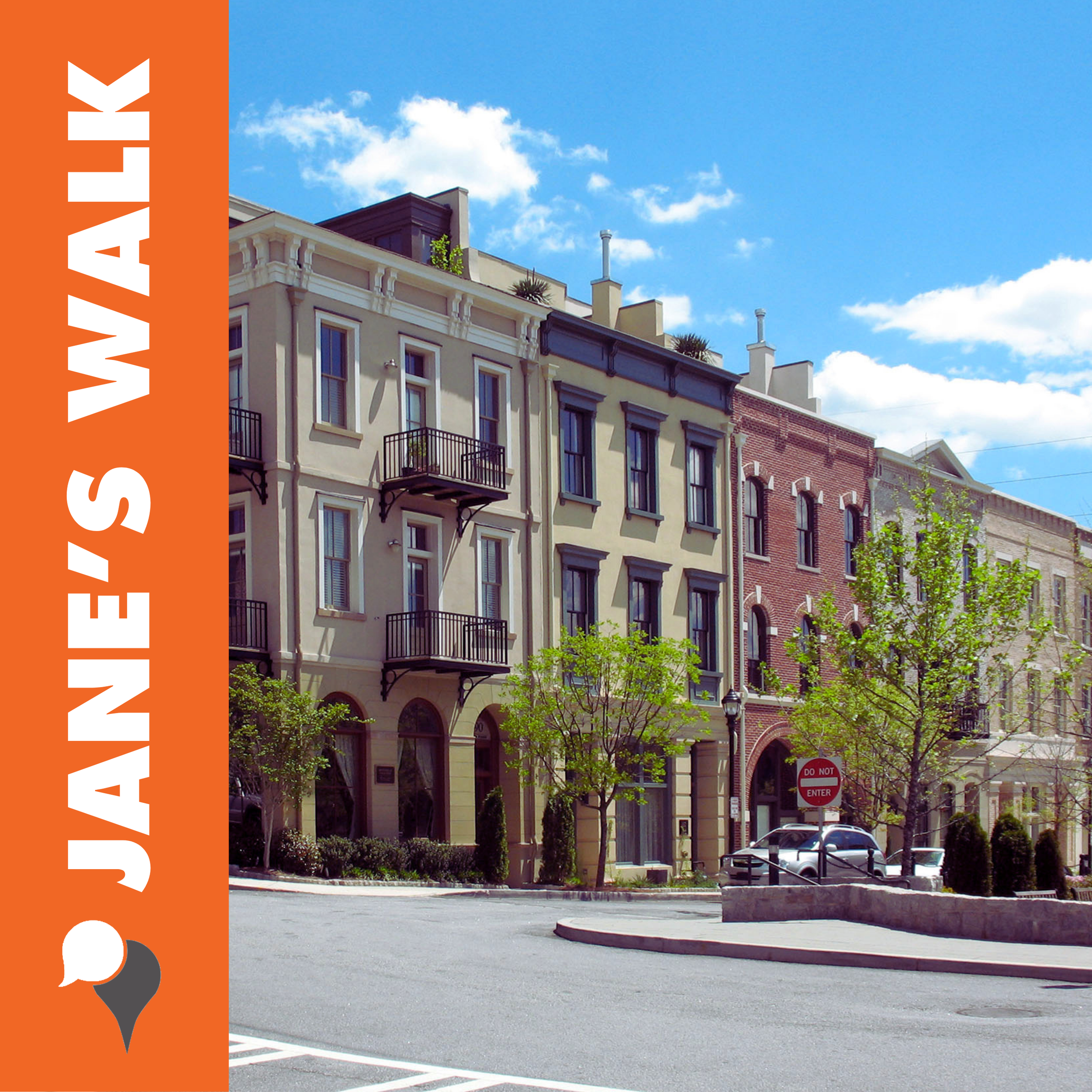
What does intentional neighborhood design actually look like on the ground?
This Jane’s Walk, taking place in Glenwood Park, focuses on themes of Art & Architecture and Environment.
In-person | FREE
What are the buildings around you actually doing?
This Jane’s Walk, taking place in Midtown Atlanta, focuses on themes of Art & Architecture and Engineering.
In-person | FREE
How do you save a neighborhood from itself?
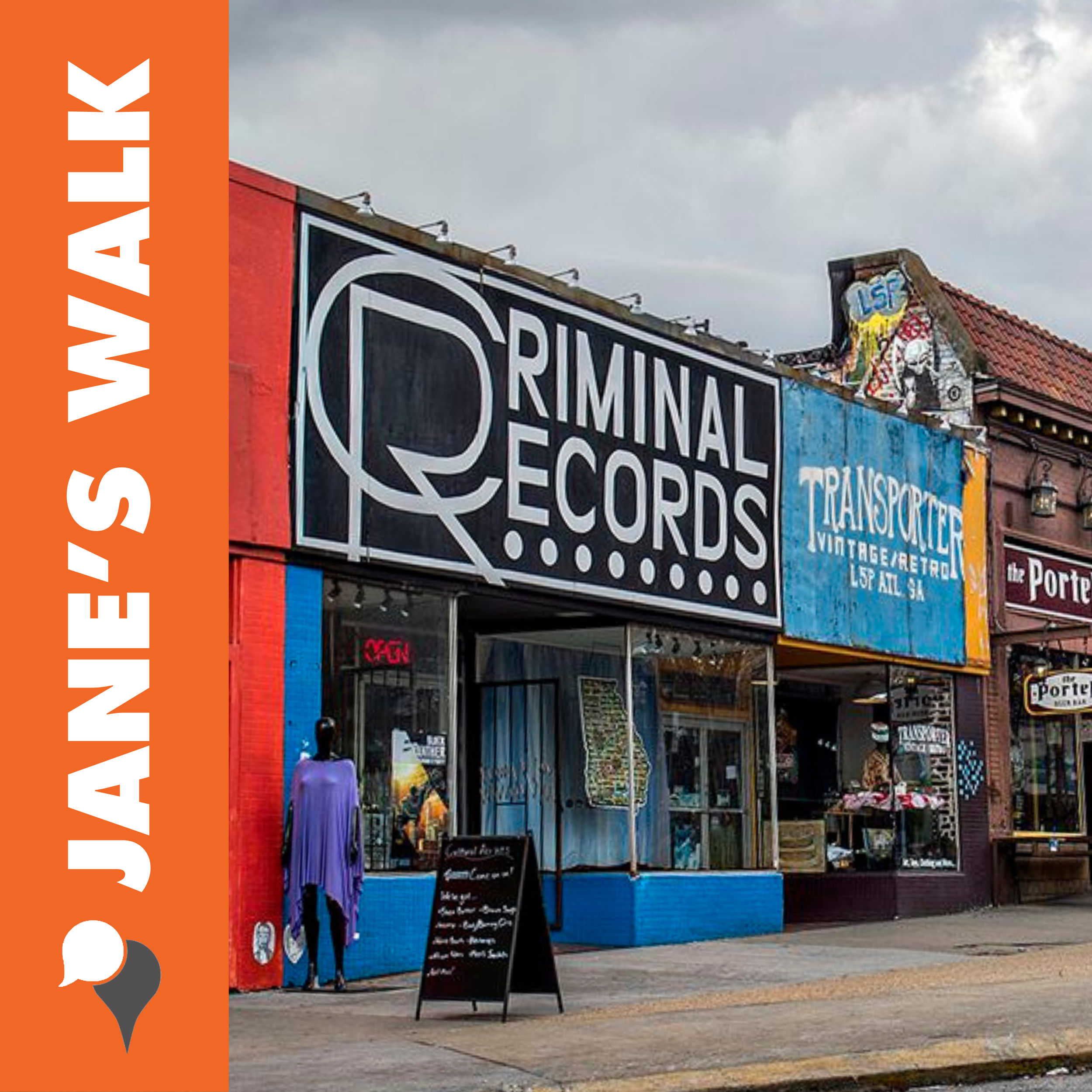
This Jane’s Walk, taking place in Little 5 Points, focuses on themes of History & Culture and Art & Architecture.
In-person | FREE
How does a patch of land become a park for everyone?
This Jane’s Walk, taking place in Poncey-Highland, focuses on themes of Environment and History & Culture.
In-person | FREE
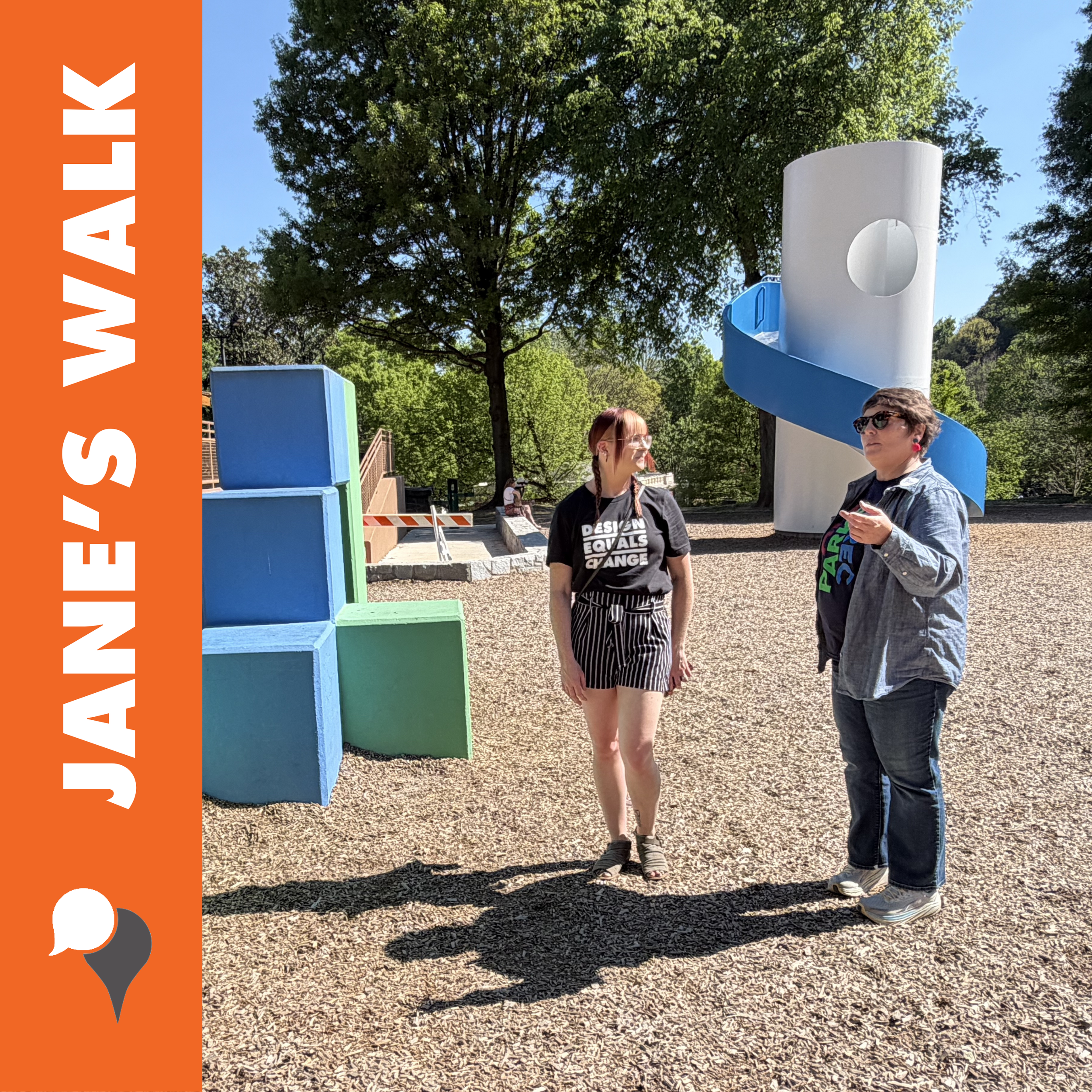
What can a park become when a community decides to reimagine it?
This Jane’s Walk, taking place in Decatur, focuses on themes of Environment, History & Culture.
-
Jane’s Walk is a movement of free, citizen-led walking conversations inspired by Jane Jacobs.
Anybody can lead a Jane’s Walk!
The festival encourages people to share stories about their neighbourhoods, discover unseen aspects of their communities, and use the art of walking as a way to connect with their neighbours. -
Jane Jacobs (1916-2006) was a writer and activist who championed a community-based approach to city-building. Her first book, The Death and Life of Great American Cities, introduced ground-breaking ideas about how cities function, evolve, and fail that have become conceptual pillars for today’s architects, planners, policymakers, activists, and other city builders.
Jacobs lived in Greenwich Village until 1968, when she moved to Toronto. In both cities, she helped derail the car-centered approach to urban planning and invigorated neighborhood activism by helping to stop the expansion of expressways and roads.